Newsletter Subscribe
Enter your email address below and subscribe to our newsletter

 ByJohn A
Children learn many of their daily habits at home. The routines they see and practice during childhood can influence how they think about food, exercise, cleanliness, sleep, responsibility, and overall wellness as they grow older. Parents therefore have an important opportunity to create a home environment that encourages healthy choices without making everyday life stressful.
A healthy childhood does not require a perfect home. Simple habits practiced consistently can provide children with useful skills that may stay with them for years.
Food habits are an important part of childhood development. Parents can provide a variety of nutritious foods, including fruits, vegetables, whole grains, and suitable sources of protein.
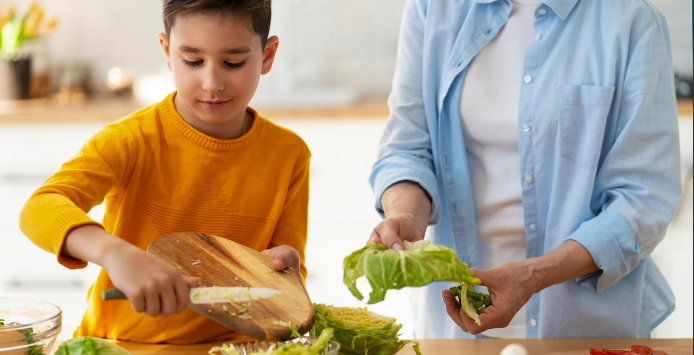
Children can also participate in simple meal preparation. Helping wash vegetables, arrange ingredients, or prepare a basic meal can make them more interested in food and teach practical skills.
Parents can use reliable resources such as TheWeeklyHealthiness to learn more about general nutrition and wellness. For specific medical or dietary concerns, professional guidance should be sought.
See also: Print to Order, Not to Cupboard: Rethinking How Many Labels You Actually Need
Children need opportunities to move, play, and explore. Parents can encourage activities such as walking, cycling, dancing, sports, outdoor games, or family outings.
Physical activity does not have to feel like a formal workout. When movement is connected with fun and family time, children may develop a more positive attitude toward staying active.
Parents can also lead by example by participating in activities instead of simply telling children to exercise.
Healthy sleep routines can help children develop structure. Parents can establish regular bedtime and morning routines that fit the child’s age and family schedule.
Simple habits such as brushing teeth, changing into comfortable clothes, reading, and reducing stimulating screen activities can help signal that the day is ending.
A comfortable and organized bedroom can also make the home environment more suitable for rest.
Children can gradually learn to take care of themselves and their surroundings. Washing hands, brushing teeth, keeping personal belongings organized, and helping with simple household tasks are useful habits.
Parents can give children responsibilities that match their age and abilities. These tasks can teach independence while also helping maintain a comfortable home.
LLBlogHome can provide useful inspiration for families interested in practical home organization and lifestyle ideas.
Healthy habits are not limited to physical health. Children also need a home where they feel heard and supported.
Parents can regularly ask about their children’s day and give them opportunities to discuss worries, achievements, friendships, and challenges.
Respectful communication can help children understand that emotions are a normal part of life. Parents can also show children healthy ways to handle frustration and disagreements.
Children often learn through observation. When parents regularly eat balanced meals, stay active, maintain good hygiene, manage screens responsibly, and care for the home, children can see these behaviors as normal parts of life.
The goal is not to create strict rules for every situation. Flexible routines allow children to enjoy celebrations, holidays, and occasional changes while still returning to healthy habits.
Healthy home habits can give children a strong foundation for the future. Balanced eating, physical activity, good sleep, cleanliness, responsibility, and emotional support are all valuable lessons that can begin at home.
Parents do not need to transform their entire lifestyle overnight. Small, consistent habits can gradually become part of family life and help children develop the knowledge and confidence they need to make healthy choices as they grow.