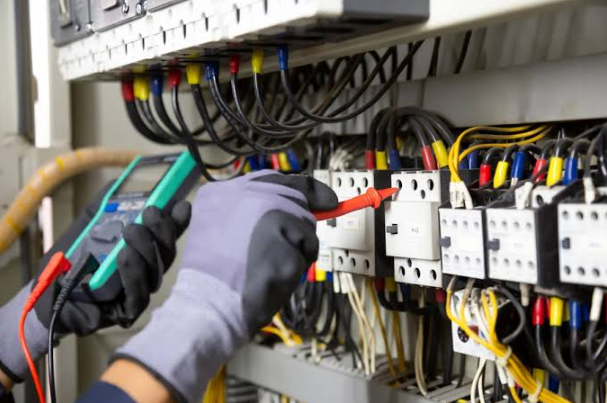

Technology continues to transform the way homeowners manage their living spaces. From electric vehicle chargers and smart appliances to advanced heating systems and home automation devices, modern technology introduces new electrical requirements. As households adopt additional equipment, maintaining a reliable electrical infrastructure becomes increasingly important.
Preparing a residential electrical system for future technology involves evaluating existing capacity, understanding equipment requirements, and identifying potential limitations. Proper electrical planning helps homeowners accommodate new devices safely while maintaining dependable power distribution.
Why Future Electrical Planning Is Important
Residential electrical systems distribute electricity through individual circuits that supply power to appliances, lighting fixtures, and electronic devices.
Every circuit has specific operating limits determined by its wiring, protective equipment, and installation conditions.
As homeowners install new technology, electricity requirements may change considerably.
Planning ahead offers several important benefits:
- Supports the installation of modern household technology.
- Helps prevent overloaded electrical circuits.
- Improves the organization of electrical connections.
- Identifies potential electrical capacity limitations.
- Reduces unnecessary future modifications.
- Supports long-term electrical safety and reliability.
A professional assessment can help determine whether existing infrastructure remains suitable for planned improvements.
Modern Technologies That Affect Household Electricity Demand
Different household technologies have varying electrical requirements.
Electric Vehicle Charging Stations
Home charging equipment provides convenient electricity access for electric vehicles.
Depending on the charger rating, installation may require a dedicated circuit and substantial additional electrical capacity.
Professional planning helps determine whether the existing installation can support charging equipment.
Smart Home Automation
Connected lighting, security systems, smart thermostats, and automated controls provide greater convenience.
Although many smart devices consume relatively little electricity, certain installations may require compatible wiring or additional circuits.
Modern Heating and Cooling Systems
Heat pumps, electric furnaces, and advanced air conditioning equipment can introduce different electrical requirements.
These systems should be evaluated according to manufacturer specifications and applicable installation standards.
Electric Kitchen Appliances
Induction cooktops, electric ovens, and other modern cooking equipment may require dedicated electrical connections.
Proper circuit design supports reliable operation.
Residential Battery Storage
Home battery systems can store electrical energy for later use.
These installations require suitable protective equipment, compatible electrical connections, and professional installation.
Understanding Electrical Capacity and Circuit Requirements
Electrical capacity is an important consideration when preparing a property for additional technology.
Electrical Service Capacity
The electrical service determines the amount of current available to the property within its designed limits.
Professional load calculations help establish whether the service can accommodate additional demand.
Individual Circuit Ratings
Each circuit must be appropriately rated for its connected electrical equipment.
Excessive loading can cause protective breakers to trip.
Available Circuit Space
Distribution equipment must have suitable arrangements for additional electrical circuits.
However, available breaker positions do not automatically indicate sufficient electrical capacity.
Equipment Compatibility
New electrical components must be compatible with the existing installation.
Manufacturer specifications and applicable electrical codes should guide equipment selection.
Common Signs of Electrical Infrastructure Limitations
Homeowners should recognize warning signs that may indicate existing electrical problems.
Frequently Tripping Circuit Breakers
Repeated breaker trips may indicate overloaded circuits, defective appliances, or damaged wiring.
Flickering or Dimming Lights
Persistent lighting fluctuations can result from loose connections, voltage variations, or other electrical faults.
Burning Odors
A burning smell near electrical equipment may indicate overheating or damaged insulation.
This condition requires urgent professional attention.
Unusual Electrical Sounds
Buzzing, popping, or crackling noises may indicate potentially dangerous electrical conditions.
Visible Equipment Deterioration
Rust, corrosion, discoloration, and damaged electrical enclosures should be professionally evaluated.
When Should Homeowners Consider Electrical Infrastructure Improvements?
Not every new technology installation requires major changes to existing electrical equipment.
Some properties can accommodate additional devices through properly designed circuits when sufficient capacity is available.
However, an electrical panel upgrade may be recommended when existing distribution equipment cannot safely support calculated electrical demand, lacks suitable arrangements for additional circuits, or contains significantly deteriorated components.
A licensed electrician can inspect the installation and determine whether circuit modifications, equipment changes, or electrical service improvements are necessary.
Replacing distribution equipment alone does not automatically increase the capacity supplied by the utility.
Important Steps Before Installing New Electrical Technology
Careful preparation helps homeowners avoid unnecessary complications during equipment installation.
Identify Future Equipment Requirements
Homeowners should review the electrical specifications of planned appliances, charging equipment, and other devices.
Evaluate Existing Electrical Capacity
Professional load calculations help determine whether the current installation can accommodate additional demand.
Review Wiring Conditions
Damaged insulation, loose connections, and other wiring concerns should be addressed before significant additional loads are introduced.
Consider Installation Locations
Equipment placement can influence wiring routes, circuit arrangements, and installation requirements.
Understand Permit Requirements
Certain electrical modifications require permits and inspections depending on local regulations.
Qualified professionals can help ensure that applicable requirements are followed.
How Professional Electricians Support Technology Installations
Professional electrical services provide important technical guidance when modernizing residential infrastructure.
Evaluating Existing Equipment
An electrician examines distribution components for signs of damage, deterioration, or unsuitable configurations.
Performing Electrical Load Calculations
Calculations determine whether current and planned electrical demands remain within the installation’s capacity.
Designing Suitable Circuits
New circuits are designed according to equipment ratings and applicable electrical standards.
Selecting Compatible Components
Circuit breakers, wiring, disconnecting equipment, and other components must be suitable for the installation.
Testing Completed Work
After installation, electrical connections and protective devices should be inspected and tested to verify proper operation.
Electrical Safety Practices for Technology-Connected Homes
Modern electrical equipment requires responsible operation and maintenance.
Avoid Overloading Power Outlets
Multiple high-powered appliances should not be connected to an inadequately rated circuit.
Use Approved Electrical Equipment
Electrical devices should meet applicable product standards and manufacturer requirements.
Protect Equipment From Moisture
Water intrusion can damage electrical components and create dangerous conditions.
Maintain Clear Equipment Access
Electrical distribution equipment should remain accessible for professional inspections and emergency situations.
Monitor Unusual Electrical Behavior
Recurring breaker trips, burning odors, and unexpected interruptions should receive professional attention.
Why Professional Electrical Installation Matters
Electrical modifications can involve components that remain energized even when the main breaker is switched off.
Attempting internal repairs or wiring changes without proper qualifications can expose homeowners to serious electric shock and burn hazards.
Licensed electricians have the technical knowledge, specialized equipment, and training necessary to complete electrical work safely.
Professional installation also helps ensure that new technology is connected according to manufacturer specifications and applicable electrical codes.
Long-Term Benefits of Planning for Future Electricity Requirements
Preparing electrical infrastructure for modern technology can help homeowners avoid unnecessary modifications when new appliances are introduced.
Appropriate circuit arrangements support reliable operation, while professional assessments identify potential limitations before installation begins.
Forward-looking electrical planning can also make future renovations more manageable and improve overall household functionality.
Regular maintenance helps preserve equipment reliability and identify developing electrical problems before they become serious.
Conclusion
Preparing a residential electrical system for future technology requires understanding existing capacity, evaluating new equipment requirements, and planning appropriate improvements.
Electric vehicle chargers, smart appliances, modern heating systems, and energy storage technology can introduce electrical demands that require professional attention.
With suitable electrical planning, qualified installation, and preventive maintenance, homeowners can maintain a safe and dependable electrical infrastructure that supports changing household technology requirements.